Cultural Heritage Sites Kathmandu Valley
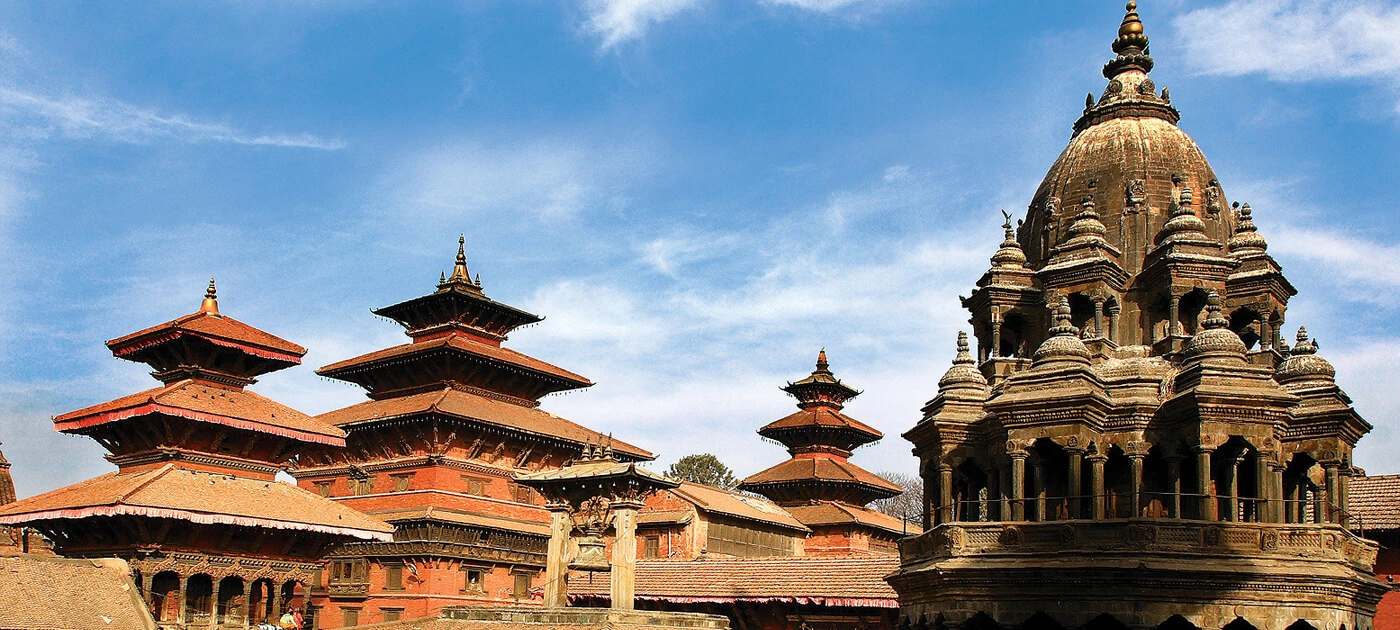
- The Kathmandu Valley World Heritage property was inscribed in 1979 and comprises seven monumental zones: three former royal palace complexes (Kathmandu Durbar Square, Patan Durbar Square, and Bhaktapur Durbar Square), two ancient stupas (Swayambhunath Stupa and Boudhanath Stupa), and two temple complexes (Pashupatinath Temple and Changu Narayan Temple).
- This collection of monuments offers a spectacular showcase of Nepal’s artistic, architectural, religious, and cultural heritage — from Malla-era palaces and pagoda-style temples to ancient Buddhist stupas.
- The valley remains a living heritage: many of the temples and stupas are active religious sites, used by Hindu and Buddhist devotees alike.
- Over centuries, Kathmandu Valley has served as Nepal’s political, cultural, and spiritual heart, making this heritage site a microcosm of Nepali civilizational identity.
- Lumbini was inscribed as a UNESCO World Heritage Site in 1997.
- This is the sacred site where, according to Buddhist tradition, Gautama Buddha was born (circa 623 BCE). The historic importance is testified by the famous sandstone pillar erected by the Indian emperor Ashoka around 249 BCE, which marks the spot of his birth.
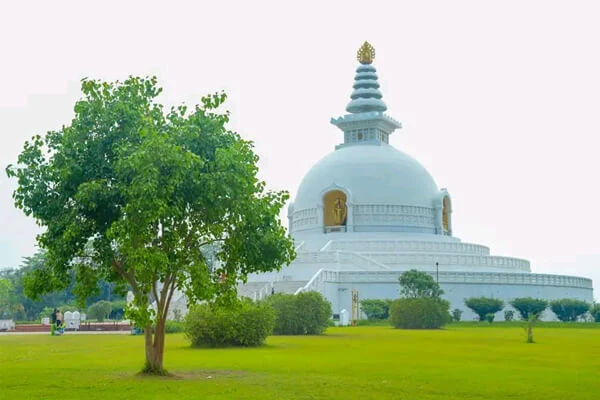
- The site includes the ancient relics — foundations of early monasteries and stupas (from 3rd century BCE up to 15th century CE), the historic pillar, and modern monuments like the World Peace Pagoda.
- Lumbini continues to be an active pilgrimage destination, drawing Buddhists and spiritual seekers from around the world.
- The ongoing conservation efforts — many in partnership with UNESCO — aim to preserve both the ancient archaeological remains and the living spiritual tradition for future generations.
Natural Heritage Sites Chitwan National Park
- Chitwan National Park, established in 1973, was designated a UNESCO World Heritage Site in 1984.
- The park is situated in the Terai region of south-central Nepal and spans 93,200 hectares across several districts.
- It represents one of the last remaining intact ecosystems of the Terai-Siwalik zone — a landscape of floodplains, sal forests, grasslands, riverine belts, and wetlands.
- The park hosts rich biodiversity including globally significant populations of the one-horned Asiatic rhinoceros and the Bengal tiger — plus many other mammals, birds, amphibians, reptiles, and fish.
- Its ecological value lies not only in species conservation, but also in preserving key natural processes and habitats — from river ecosystems to floodplain forests — making Chitwan a living natural heritage of Nepal and the world.
Sagarmatha National Park
- Sagarmatha National Park was among the first sites in Nepal recognized by UNESCO — inscribed in 1979.
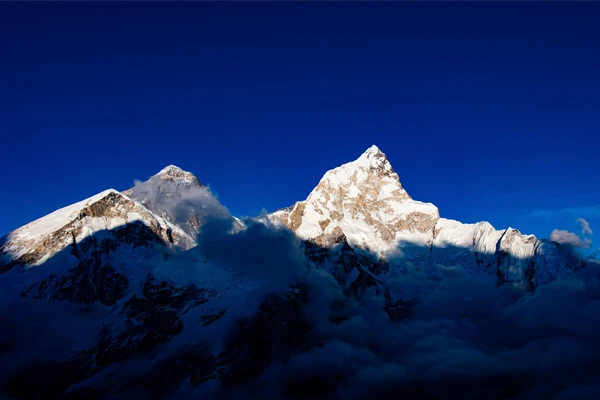
- The park encompasses part of the Great Himalayan Range, including the highest mountain on Earth — Mount Everest (known as Sagarmatha in Nepal).
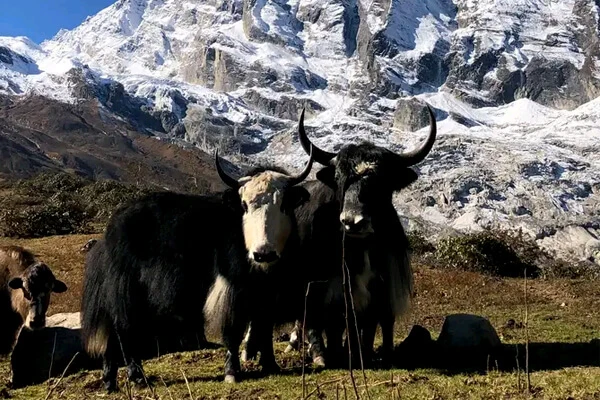
- The area is not only dramatic in terms of high-altitude landscapes — glaciers, deep valleys, snow-covered peaks — but also contains unique alpine biodiversity and indigenous Himalayan communities.
- Sagarmatha National Park stands as a symbol of Nepal’s Himalayan natural heritage — a place of extremes and grandeur, where human history, spiritual traditions, and nature intersect.
Nepal — Small but Monumental
Nepal may be small geographically, but its heritage — both cultural and natural — is vast and profound. From ancient palaces and sacred temples in Kathmandu, to the birthplace of Buddha in Lumbini, to biodiversity-rich jungles in Chitwan and the majestic Himalayas of Sagarmatha, Nepal’s UNESCO sites reflect the incredible diversity and resilience of human and natural heritage.
These sites remind us that heritage is not static. They are living — maintained, worshipped, explored, admired — and deserve our respect, protection, and thoughtful preservation so that future generations can continue to learn from them.